

Coaching Youth Soccer: The Complete Guide to Developing Players and People
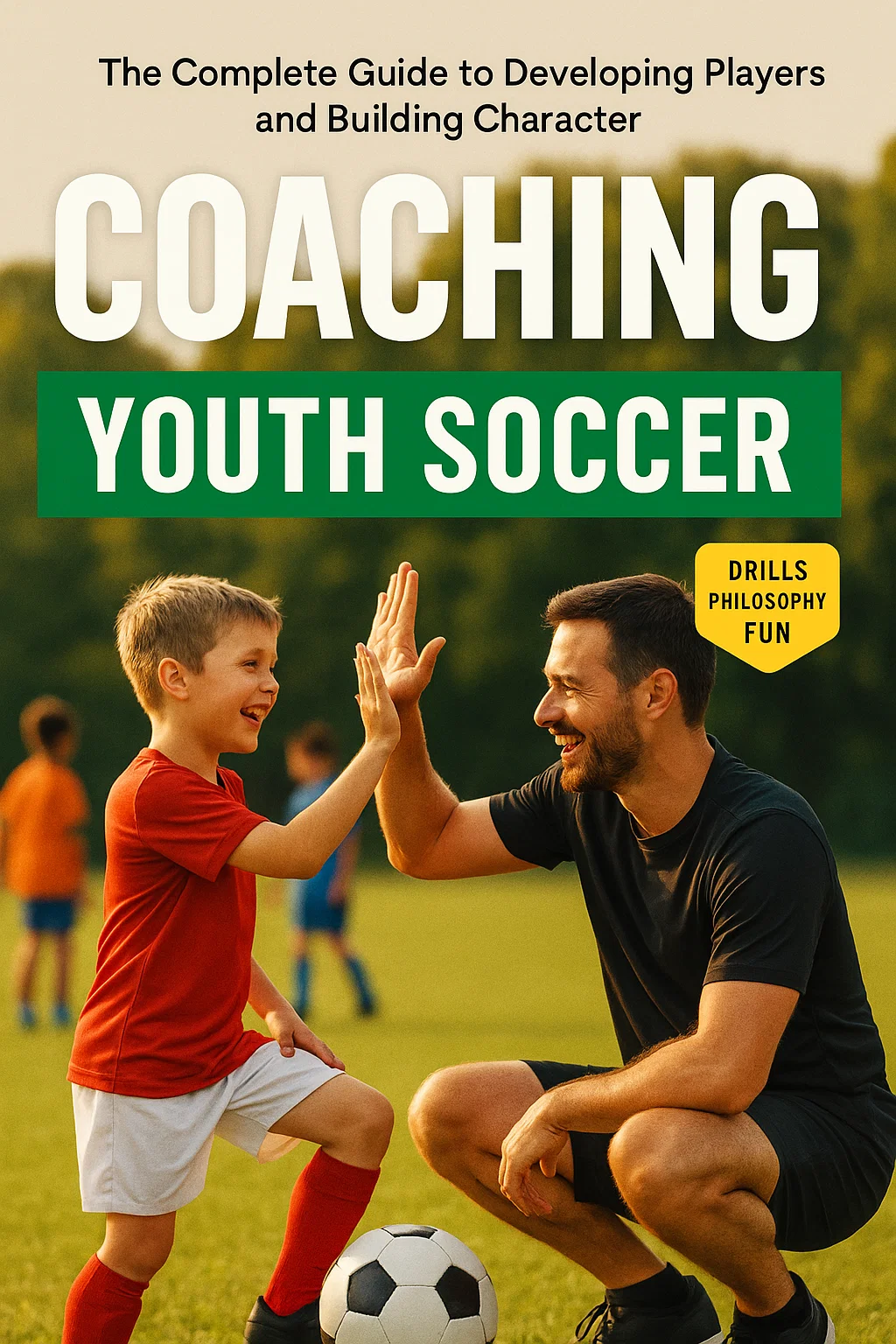
Coaching Youth Soccer: The Complete Guide to Developing Players and People
Introduction: The Beautiful Responsibility of Youth Soccer Coaching
Coaching youth soccer represents far more than teaching athletic skills—it’s a profound opportunity to shape young lives through the world’s most popular sport. Every season, thousands of volunteers and professionals step onto pitches across the globe, accepting the beautiful responsibility of guiding the next generation of players. This comprehensive guide synthesizes the best practices from leading football associations, professional academies, and educational experts to provide you with everything needed to create transformative sporting experiences.
The journey of a youth soccer coach balances multiple roles: teacher, mentor, motivator, and sometimes even surrogate parent. While the focus often falls on technical development and match results, the most impactful coaches understand that their legacy extends far beyond wins and losses. They’re building character, fostering resilience, and creating lifelong memories. Through this guide, we’ll explore how to balance these responsibilities while implementing proven methodologies from resources like the UEFA B License Coaching Manual PDF, adapted specifically for youth development contexts.
Section 1: Understanding Youth Development in Soccer
1.1 The Developmental Spectrum: Age-Appropriate Coaching
Youth soccer encompasses a broad age range, each with distinct characteristics and needs. Understanding these developmental stages is crucial for effective coaching. Generally, we can categorize players into three groups: foundation ages (5-8), learning ages (9-12), and performance ages (13+). Each stage requires different coaching approaches, expectations, and training methodologies.
During the foundation years, the primary focus should be on fun and fundamental movement skills. Children at this age are developing basic coordination and learning to enjoy physical activity. The learning years represent a golden period for skill acquisition, where players rapidly develop technical abilities and begin understanding basic tactical concepts. The performance years focus on refining skills, developing advanced tactical understanding, and preparing for competitive environments.
Furthermore, coaches must recognize that children develop at different rates physically, cognitively, and emotionally. The most effective coaches adapt their approach to individual needs while maintaining group cohesion. Resources like the Leicester City Football Club Academy PDF demonstrate how top academies structure development across different age groups while accommodating individual differences.
1.2 Psychological Considerations in Youth Soccer
Understanding the young athlete’s mind is as important as understanding the game itself. Children participate in soccer for various reasons: social connection, skill development, enjoyment, and sometimes parental pressure. Recognizing these motivations helps coaches create more effective and engaging environments.
Key psychological considerations include: attention span limitations that require varied activities, the need for positive reinforcement and constructive feedback, developing intrinsic motivation rather than relying on external rewards, understanding peer dynamics and social hierarchies, and managing performance anxiety and fear of failure. Each of these factors significantly impacts how players respond to coaching and whether they continue in the sport.
Additionally, coaches play a crucial role in developing psychological skills like resilience, concentration, and emotional control. These qualities not only improve performance but also translate to other life domains. The holistic approach outlined in the UEFA A Licence: The Complete Coach’s Guide PDF provides excellent frameworks for addressing psychological development alongside technical and tactical training.
Section 2: Building Your Coaching Philosophy
2.1 Developing a Player-Centered Approach
The most successful youth coaches build their methodology around a clear, player-centered philosophy. This approach prioritizes long-term development over short-term results and recognizes that each player has unique needs and potential. A strong coaching philosophy serves as a compass, guiding decisions about training design, player selection, game day management, and communication.
Core elements of a player-centered philosophy include: commitment to equal opportunity and development for all players, focus on process and effort rather than outcomes, balancing challenge and support appropriately, creating a positive and inclusive environment, and maintaining perspective about the role of soccer in children’s lives. This foundation ensures that coaching decisions align with developmental objectives rather than external pressures.
Moreover, a clear philosophy helps coaches weather the inevitable challenges that arise throughout a season. When facing difficult decisions about playing time, positional assignments, or team selection, a well-defined philosophy provides consistent guidance. The methodologies explored in Marcelo Bielsa’s Football Philosophy PDF demonstrate how philosophical consistency shapes coaching practice at the highest levels.
2.2 Implementing the Play-Practice-Play Methodology
Modern youth development increasingly embraces the Play-Practice-Play methodology, which structures sessions around game-like experiences. This approach recognizes that children learn most effectively through playing the game itself, with targeted practice embedded within the playing experience.
The methodology follows a simple but effective structure: beginning with free play or small-sided games that allow players to explore and experiment, transitioning to focused practice on specific skills or concepts identified during the initial play period, and concluding with structured games that allow players to apply their learning in realistic contexts. This approach maintains engagement while ensuring developmental progress.
Additionally, this methodology aligns with research on how children learn complex skills most effectively. By starting and ending with play, coaches maintain high motivation levels while ensuring that practice has immediate relevance to the game. The 60 Training Games PDF provides excellent activities that fit seamlessly into this methodology, offering varied game-like scenarios for different developmental objectives.
Section 3: Technical Development Pathway
3.1 Foundational Technical Skills
Technical proficiency forms the bedrock of player development. Without solid fundamental skills, players cannot execute tactical ideas, express creativity, or experience the full joy of the game. The technical focus should progress from basic mastery to execution under pressure, always within age-appropriate contexts.
Essential technical skills include: ball mastery and comfort in possession, passing and receiving with both feet, dribbling in various situations, shooting technique and confidence, and heading (with proper safety considerations). These skills should be developed through progressive exercises that start with technical correctness and advance to game-realistic execution.
Furthermore, technical training should account for different learning styles and abilities. Some players benefit from visual demonstration, others from verbal explanation, and many from physical guidance. The most effective coaches use varied teaching methods to ensure all players can access the learning. The UEFA B License Coaching Sessions PDF provides excellent technical exercises that accommodate different learning preferences while maintaining developmental appropriateness.
3.2 Integrating Technical Development into Tactical Contexts
While isolated technical repetition has value, skills truly become functional when practiced within game-like environments. The most effective coaches design activities that simultaneously develop technical abilities, tactical understanding, and decision-making capabilities.
Effective integration strategies include: using small-sided games that naturally encourage technical repetition, incorporating technical conditions into possession exercises, creating 1v1, 2v1, and 2v2 scenarios that replicate game situations, and designing practices that transition between technical repetition and immediate application. This approach ensures that technical development directly translates to game performance.
Moreover, technical-tactical integration helps players understand the purpose behind technical repetition. When players see how a specific skill helps them succeed in game situations, motivation and engagement naturally increase. The Essential 3-5-2 and 3-4-3 Training Exercises PDF offers valuable examples of how to combine technical development with tactical understanding in progressive training sequences.
Section 4: Tactical Development Progression
4.1 Age-Appropriate Tactical Introduction
Tactical understanding develops progressively throughout a player’s journey. Introducing concepts too early creates confusion and frustration, while introducing them too late limits developmental potential. The most effective coaches understand this progression and time their tactical instruction appropriately.
For young players (5-8), tactical concepts should focus on basic principles like spreading out, supporting the ball carrier, and transitioning between attack and defense. As players mature (9-12), coaches can introduce basic formations, positional responsibilities, and principles of play. In the performance years (13+), tactical instruction becomes more sophisticated, encompassing team shape, pressing strategies, and game management.
Additionally, tactical learning should occur primarily through guided discovery rather than direct instruction. By designing games and exercises that naturally encourage tactical solutions, coaches help players develop football intelligence and problem-solving abilities. The Principles of Play Attacking PDF provides excellent frameworks for introducing tactical concepts through game-like scenarios rather than abstract explanation.
4.2 Developing Game Intelligence
Beyond specific tactical knowledge, coaches should focus on developing game intelligence—the ability to read situations, make effective decisions, and execute solutions under pressure. This higher-order thinking separates good players from great ones and continues developing throughout a player’s career.
Game intelligence develops through: variable practice that presents different problems and solutions, questioning techniques that prompt players to analyze situations, video analysis that breaks down decision-making, small-sided games that increase decision frequency, and encouraging creativity and risk-taking within structured environments. Each of these approaches helps players develop the cognitive skills needed for high-level performance.
Furthermore, game intelligence extends beyond tactical understanding to include emotional control, spatial awareness, and anticipation. The most effective coaches address all these dimensions through integrated training design. Studying professional academy approaches, such as those documented in the Sheffield United F.C. U14 Academy, reveals how top programs systematically develop game intelligence across age groups.
Section 5: Effective Session Planning and Delivery
5.1 The Art of Session Design
Well-structured training sessions maximize learning while maintaining engagement and enjoyment. Each session should follow a logical progression that prepares players technically, tactically, and physically for the demands of the game. Effective session design balances structure with flexibility, allowing coaches to adapt to emerging needs and opportunities.
The classic session structure includes: introduction (arrival activity and warm-up), skill development (focused technical/tactical work), skill application (game-like scenarios), and conclusion (conditioned game and cool-down). This progression ensures a smooth transition from simple to complex, from technical repetition to tactical application. Each component serves specific purposes in the learning process.
Moreover, effective sessions account for various constraints including time availability, facility limitations, equipment access, and player numbers. The most successful coaches develop creativity in adapting ideal sessions to real-world circumstances. The UEFA A Coaching Session Plans offers detailed templates for designing sessions that can be adapted to various constraints while maintaining developmental quality.
5.2 Seasonal Planning and Periodization
While individual sessions matter, they gain maximum impact when connected within a broader seasonal plan. Periodization—the systematic organization of training across a season—ensures progressive development while managing fatigue and motivation.
A youth soccer season typically includes: pre-season focusing on fundamental skills and team building, early season introducing tactical concepts and establishing playing style, mid-season refining skills and addressing identified needs, and late season preparing for important matches while maintaining development focus. Each phase has distinct objectives and training emphases.
Additionally, effective periodization accounts for the nonlinear nature of youth development. Unlike professional athletes, children experience growth spurts, coordination changes, and varying motivation levels. The most effective plans build in flexibility to accommodate these individual differences. Resources like The Training Plan and broader Soccer Training Programs provide adaptable frameworks for seasonal planning across different age groups and competitive contexts.
Section 6: Physical Development Considerations
6.1 Age-Appropriate Fitness Development
Physical development in youth soccer should focus on building athletic qualities that support both immediate performance and long-term health. The approach varies significantly across age groups, from fundamental movement skills in young children to sport-specific conditioning in adolescents.
For young players (5-8), the focus should be on developing fundamental movement skills including running, jumping, hopping, skipping, and changing direction. These foundational abilities support all athletic development and reduce injury risk. For intermediate players (9-12), coaches can introduce basic coordination, agility, and speed development through game-like activities. For advanced players (13+), sport-specific conditioning becomes more appropriate, though still within developmental limits.
Furthermore, fitness development should occur primarily through integrated activities rather than isolated conditioning. The game itself provides excellent physical challenges when structured appropriately. The Warm-up Exercises with Ball PDF demonstrates how to efficiently develop physical capacities while simultaneously addressing technical and tactical objectives.
6.2 Injury Prevention and Recovery
Keeping players healthy and available represents a crucial coaching responsibility. Injury prevention begins with understanding common soccer injuries and implementing proactive strategies to reduce risk. Equally important is managing recovery to ensure players can sustain effort throughout the season.
Key injury prevention strategies include: proper warm-up and cool-down protocols, progressive training load management, technique correction to reduce harmful movement patterns, hydration and nutrition education, and encouraging multi-sport participation to develop balanced athleticism. Each of these elements contributes to reducing injury risk while enhancing performance.
Additionally, coaches play a vital role in recognizing early warning signs of overtraining, burnout, or potential injuries. Maintaining open communication with players and parents helps identify issues before they become serious problems. The holistic approach to player health reflects principles found in advanced coaching qualifications like the UEFA Pro License Course PDF, adapted for youth contexts.
Section 7: The Psychological Dimension of Coaching
7.1 Building Confident, Resilient Players
The mental and emotional aspects of youth soccer significantly impact both performance and enjoyment. Confident players take risks, recover from mistakes, and persist through challenges. Resilient players bounce back from setbacks and maintain effort despite difficulties. Both qualities develop through intentional coaching practices.
Confidence grows through: mastery experiences where players successfully execute skills, vicarious experiences seeing similar players succeed, verbal persuasion through positive reinforcement, and physiological awareness managing pre-performance nerves. Resilience develops through: appropriate challenges that stretch but don’t overwhelm players, reframing mistakes as learning opportunities, developing problem-solving skills, and fostering supportive team environments.
Moreover, psychological development requires as much intentionality as technical or tactical development. The most effective coaches plan psychological interventions as carefully as they plan training exercises. Resources like the AFC B Diploma Coaching Course Certificate PDF provide frameworks for addressing psychological development systematically rather than opportunistically.
7.2 Communication and Motivation Strategies
How coaches communicate significantly impacts player development, team culture, and overall experience. Effective communication involves not just what coaches say, but how, when, and why they say it. Similarly, motivation strategies influence whether players develop intrinsic love for the game or participate primarily for external rewards.
Effective communication strategies include: using age-appropriate language and concepts, balancing instruction with questioning, providing specific and actionable feedback, employing varied communication methods (demonstration, explanation, video), and maintaining positive coach-player relationships. Each approach ensures messages land effectively and promote learning.
Motivation flourishes when coaches: emphasize process and effort over outcomes, provide autonomy and choice within structured environments, help players set and achieve challenging goals, create belonging and connection within the team, and model enthusiasm and passion for the game. These strategies help develop the intrinsic motivation that sustains long-term participation and effort.
Section 8: Game Day Management
8.1 Pre-Match Preparation
Game days represent both the culmination of weekly training and valuable learning opportunities. Effective preparation begins days before the match and extends through post-game reflection. Thoughtful game day management ensures positive experiences regardless of results.
Pre-match preparation includes: communicating clearly with parents about logistics and expectations, preparing players physically and mentally through effective warm-ups, delivering simple and focused tactical instructions, establishing clear behavioral expectations, and managing pre-game nerves and excitement. Each element contributes to optimal preparation and performance.
Furthermore, the most effective coaches maintain consistent routines that help players feel prepared and confident. While flexibility remains important, predictable patterns reduce anxiety and create familiar structures within the unpredictable game environment. The integrated approach reflects methodologies found in professional resources while remaining adaptable to youth contexts.
8.2 Sideline Behavior and In-Game Coaching
Coach behavior during matches significantly impacts player experience, development, and performance. The sideline should be a place of positive support and appropriate guidance rather than pressure and constant instruction. Effective in-game coaching balances intervention with allowing players to solve problems independently.
Positive sideline behavior includes: focusing on encouragement rather than criticism, providing brief and clear instructions during natural breaks, modeling respect for officials and opponents, maintaining emotional control regardless of circumstances, and keeping perspective about results within the broader development process. These behaviors create environments where players feel supported to take risks and express themselves.
Additionally, effective game management involves: rotating players through different positions, ensuring equitable playing time, using substitutions as teaching moments, helping players reflect on performance during breaks, and focusing on process goals rather than just outcomes. These practices reinforce developmental priorities and ensure all players feel valued.
Section 9: Working with Parents and Community
9.1 Building Positive Parent Partnerships
Parents represent crucial partners in the youth soccer experience. When coaches and parents align around shared values and expectations, players benefit from consistent messages and support. Building these partnerships requires intentional communication and clear boundaries.
Effective parent engagement includes: pre-season meetings to discuss philosophy and expectations, regular communication about schedule and progress, education about developmental appropriate support, clear guidelines about sideline behavior, and opportunities for appropriate involvement. Each element helps create alignment between club and home environments.
Moreover, coaches should recognize that parents have diverse perspectives, experiences, and motivations. Some seek competitive success, others prioritize participation, and many balance multiple considerations. Understanding these differences helps coaches communicate more effectively and manage expectations appropriately.
9.2 Creating Community Connections
Youth soccer exists within broader community contexts. Building connections beyond the immediate team enhances resources, support, and overall experience. These connections also help position soccer as part of a balanced lifestyle rather than an isolated activity.
Community connections might include: partnerships with local schools for facility access or cross-promotion, relationships with other sports organizations to encourage multi-sport participation, engagement with local businesses for sponsorship or support, collaboration with community organizations for special events, and connections with older players who can serve as mentors or role models.
These broader connections enrich the soccer experience while helping players develop as community members. The most successful clubs recognize that they develop people first, players second, and community connections reinforce this priority.
Section 10: Coach Development and Self-Care
10.1 Continuous Coaching Education
The most effective youth coaches remain perpetual students of the game. Continuous learning ensures that coaching methods evolve with new research, changing player needs, and emerging best practices. Coach development benefits both individual coaches and the broader soccer community.
Continuous learning opportunities include: formal coaching courses and certifications, informal learning through mentorship and observation, self-study using resources like those referenced throughout this guide, practical experimentation with new methods, and engagement with coaching communities for shared learning. Each approach contributes to expanding coaching knowledge and effectiveness.
Furthermore, coach development should encompass all coaching domains: technical, tactical, physical, psychological, and pedagogical. The most successful coaches develop breadth across all areas while cultivating depth in specific domains relevant to their context. The comprehensive approach reflects the multidimensional nature of coaching outlined in advanced resources like the UEFA A Licence: The Complete Coach’s Guide PDF.
10.2 Managing Burnout and Maintaining Passion
Coaching youth soccer demands significant time, energy, and emotional investment. Without careful attention to self-care, even the most dedicated coaches risk burnout and diminished effectiveness. Maintaining personal well-being ensures coaches can sustain their passion and impact over the long term.
Self-care strategies include: setting clear boundaries around time and availability, developing support networks with fellow coaches, maintaining interests and relationships outside soccer, practicing reflective practice to process experiences, and periodically stepping back to regain perspective. These practices help coaches manage stress and maintain enthusiasm.
Additionally, coaches should recognize that their needs evolve throughout their coaching journey. What works early in a coaching career may need adjustment as circumstances change. Regular self-assessment helps identify emerging needs and adjust self-care practices accordingly.
Conclusion: The Legacy of Youth Soccer Coaching
The impact of youth soccer coaching extends far beyond technical skills or match results. Long after players forget specific drills or game outcomes, they remember how coaches made them feel—valued, capable, and part of something meaningful. The coaching legacy lives on in the confidence, resilience, and character of the young people we serve.
As you continue your coaching journey, remember that your most powerful tools aren’t found in any drill book or certification—they’re the relationships you build, the enthusiasm you model, and the belief you instill in every player. The approaches outlined in this guide, from technical development frameworks to communication strategies, provide the foundation for transformative coaching practice.
Continue to develop your craft through resources like the UEFA B License Coaching Manual PDF and trusted external platforms like The FA’s Learning Hub (https://learn.englandfootball.com) and UEFA Training Ground (https://www.uefa.com/trainingground/). Remember that the future of soccer—and more importantly, the future of the young people we serve—depends on the quality of our coaching today.
By embracing the beautiful responsibility of youth soccer coaching with passion, patience, and perspective, you’re not just building better players—you’re building better people who will carry the lessons learned on your pitch throughout their lives. That legacy represents the truest measure of coaching success.
This guide synthesizes best practices from leading football associations and development experts while maintaining focus on the holistic development of young players. The approach prioritizes long-term development over short-term results and recognizes soccer’s power to shape character and community.