

Table of Contents
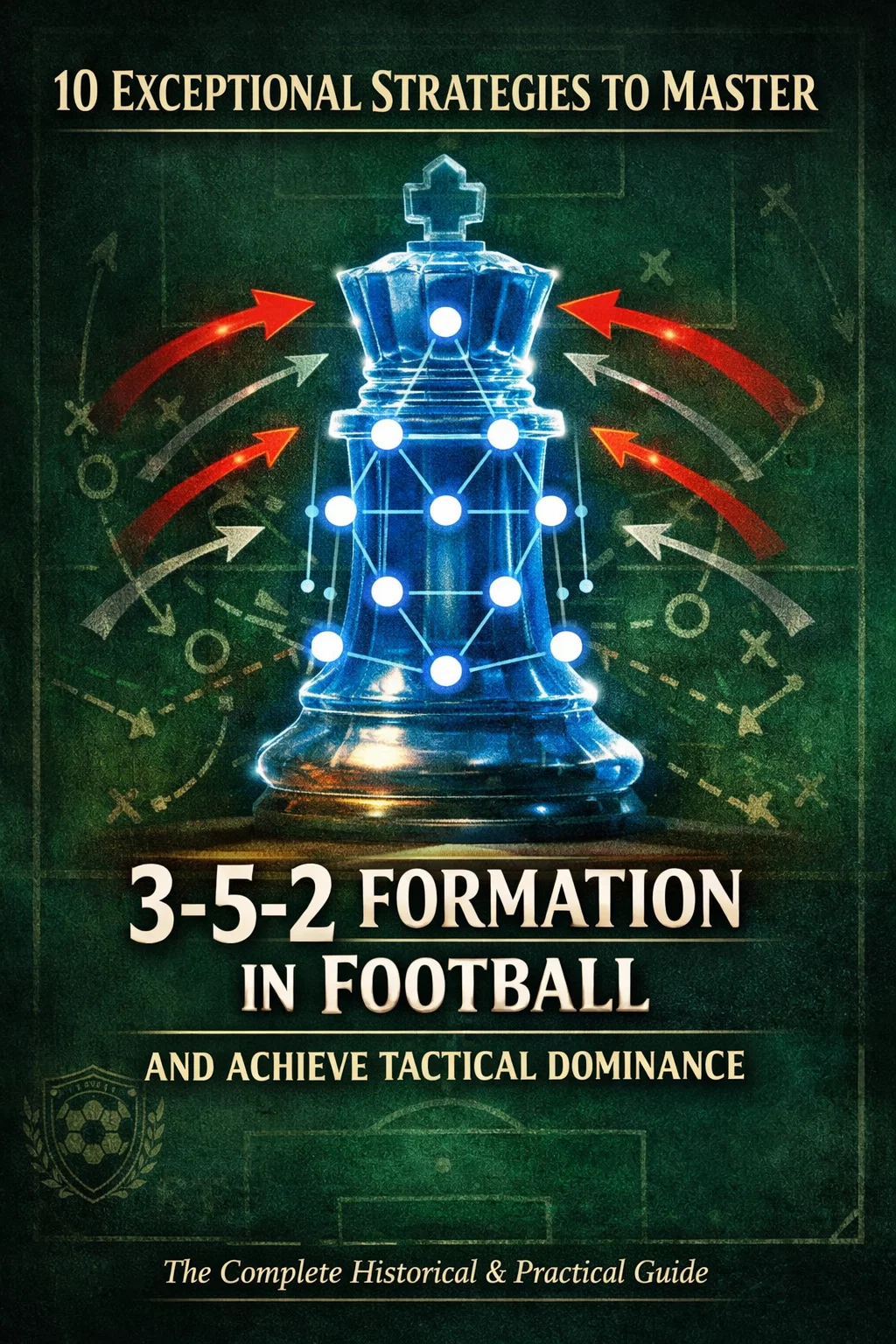
The 3-5-2 Formation in Football remains one of the most flexible and influential systems in the history of the game. Since its emergence on the world stage during the 1986 World Cup, pioneered by tactical giants like Carlos Bilardo and Franz Beckenbauer, this system has redefined how teams approach the battle for the center of the pitch. By prioritizing Midfield Physical Prowess and tactical flexibility, the 3-5-2 offers a unique balance between defensive solidity and attacking fluidity. This inspiring guide explores the Advantages of 3-5-2 System, analyzes the Tactical Gaps in 3-5-2, and explains why it continues to be a successful choice in Modern Football Formations.
The Historical Evolution of the 3-5-2 System
The shift toward the 3-5-2 Formation in Football was born out of a necessity for change. Following the 1982 World Cup, FIFA studies indicated that teams with superior Midfield Physical Prowess often dominated their opponents.
The Rise of Physicality and Stamina
Coaches realized that by packing five players in the midfield, they could outnumber the traditional 4-4-2 systems. This strategic move turned football into a more physical game, demanding higher levels of stamina and fitness. For modern coaches, understanding this evolution is a key part of the UEFA B License Coaching Sessions, where tactical history meets practical application.
Strategic Advantages of 3-5-2 System
Why do elite managers like Antonio Conte or Simone Inzaghi return to this setup? The Advantages of 3-5-2 System are rooted in numerical superiority and verticality.
- Midfield Dominance: By utilizing a trio of central midfielders, teams can control the tempo of the game and win second balls effectively.
- Dual Striker Threat: Unlike the isolated lone striker in a 4-3-3, the 3-5-2 allows for two forwards to stay close, combining for Counter-Attacking Tactics.
- The Role of Wing-Backs: These players provide the width, acting as defenders in transition and wingers during attacks.
To execute this, players need elite Individual Soccer Skills to handle 1v1 situations on the flanks. You can learn more about developing these traits in our guide on Individual Soccer Skills and Anatomy.
Analyzing the Tactical Gaps in 3-5-2
Despite its strengths, no system is perfect. The Tactical Gaps in 3-5-2 usually appear in the space between the wing-backs and the outside center-backs.
Exploiting the Flanks
If the wing-backs are caught too high up the pitch, opponents can exploit the “D-zones” (the channels). To counter this, many teams shift into a 5-3-2 during the defensive phase, though this can sometimes reduce their attacking transition power. According to the FIFA Technical Study Group, managing these spaces is the most difficult aspect of coaching this formation.
10 Professional Insights for a Successful 3-5-2 Execution
1. The Importance of Midfield Physical Prowess
The three central players must be engines. They require a blend of defensive grit and creative vision. This physical demand is why we emphasize Strength Training Rehabilitation for midfielders to prevent burnout and injury.
2. Wing-Back Versatility
The wing-back is the most demanding position in the 3-5-2 Formation in Football. They must have the stamina of a marathon runner and the crossing ability of a playmaker.
3. The “Libero” or Central Defender
The middle of the three center-backs must be a leader with excellent passing range. This role is a staple in Modern Football Formations.
4. Utilizing Counter-Attacking Tactics
The 3-5-2 is naturally suited for the counter-attack. With two strikers ready to run into channels, a single long ball can bypass an opponent’s entire midfield.
5. Closing the Tactical Gaps in 3-5-2
Coaches must drill their outside center-backs to “step out” and cover the wings when the wing-back is out of position.
6. Technical Requirements for Strikers
Strikers in this system must master Fundamental Ball Skills to hold up the ball while the five midfielders move forward to support.
7. Defensive Rotation
A successful 3-5-2 requires perfect communication between the back three and the defensive midfielder to ensure no opponent is left unmarked in the “hole.”
8. Transition Speed
The speed at which the team moves from a back 5 (defense) to a front 4 or 5 (attack) determines the effectiveness of the system.
9. Tactical Flexibility
One of the best Advantages of 3-5-2 System is how easily it can morph into a 3-4-3 or a 5-4-1 depending on the scoreline. This versatility is a key pillar of a Football Player Development Curriculum.
10. High-Level Fitness Standards
Players must meet the aerobic standards of the UEFA Football Fitness A Licence to survive the physical toll of this formation.
3-5-2 in Modern Football Formations
Today, the 3-5-2 has evolved. We see variants like the 3-4-1-2 or the 3-5-1-1. This adaptability has allowed it to remain relevant against high-pressing teams. In our Manchester City Tactical Stills analysis, we often see how modern managers use a “back three” build-up to bypass the first line of pressure, proving that the principles of 1986 still apply in 2024.
Conclusion: Embracing the Tactical Revolution
The 3-5-2 Formation in Football is more than just a setup; it is a philosophy of dominance. By understanding the Advantages of 3-5-2 System and actively working to close the Tactical Gaps in 3-5-2, coaches can create a team that is both resilient and dangerous. Whether you are building a team based on Midfield Physical Prowess or lethal Counter-Attacking Tactics, the 3-5-2 offers a successful blueprint for victory.